
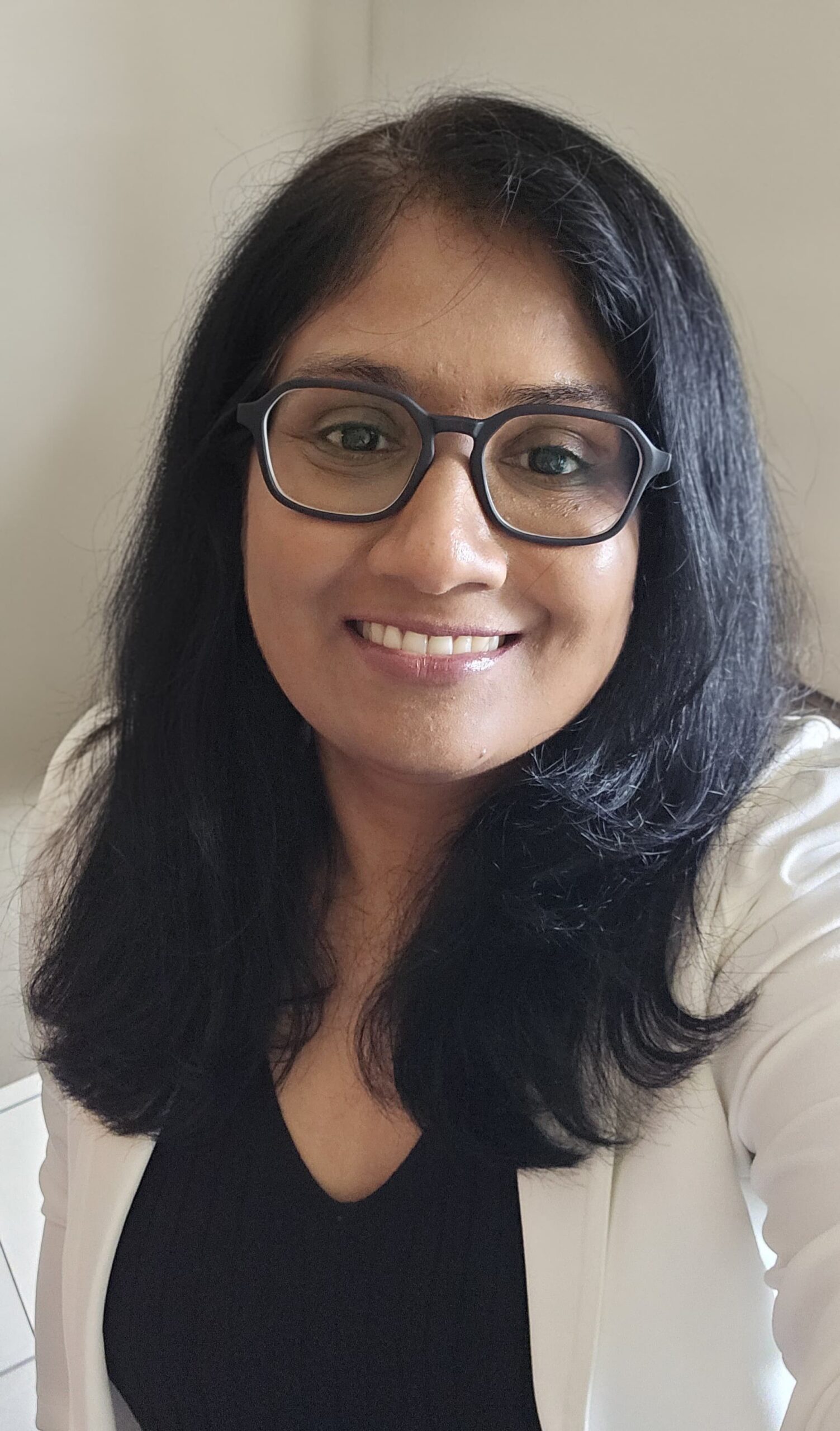
Sujata Raman represents a style of leadership that is calm, intentional, and deeply human. As Head – Performance, L&D and Talent Management at Protean eGov Technologies, she brings together empathy, organizational thinking, leadership development, and people strategy in a way that feels both modern and timeless. Her voice carries the rare ability to combine emotional intelligence with strategic rigor—making her perspective especially relevant in a world increasingly shaped by AI, automation, and accelerating workplace change.
In this episode of The Koffee Conversation Show, Sujata offers thoughtful and nuanced reflections on leadership, performance, change management, emotional well-being, culture, and the future of HR. What makes her perspective stand out is that it is not built on corporate jargon—it is rooted in lived experience, careful observation, and a genuine belief that organizations thrive only when people feel seen, heard, and valued. Her insights remind us that in an intelligent world, empathy is not a soft add-on—it is a strategic advantage.

Sujata’s career journey has been shaped by a long-standing curiosity about people—what drives them, what blocks them, and what helps them flourish. Rather than following a rigid or pre-designed path, she allowed that curiosity to become her compass. One of the defining moments in her journey came when she witnessed a highly talented colleague leave an organization not because of the role, but because she was not truly listened to. That experience stayed with her and became a foundational lesson: performance is not only about systems and scores—it is also about whether people feel heard and respected.
Another major turning point in her evolution came through coaching. It shifted her leadership style from telling to asking, and from solving to enabling. Over time, that transformation helped her build a leadership philosophy rooted in reflection, trust, self-awareness, and intentional listening. Today, her work reflects that shift clearly—whether she is speaking about organizational change, culture building, or women in leadership, she consistently brings the conversation back to one essential truth: people are always the point.
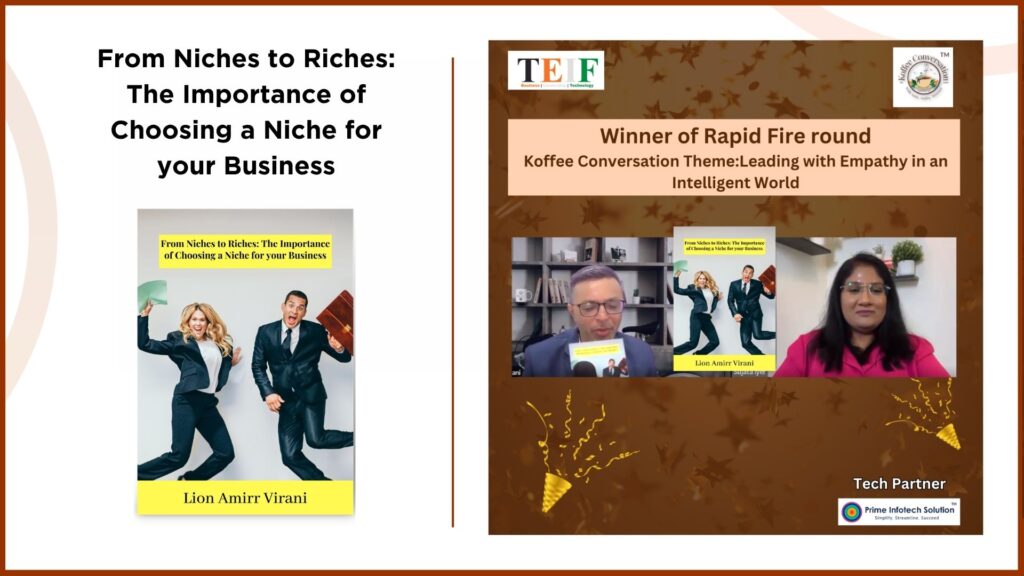
Key Highlights of the Koffee Conversation with Sujata Raman
- Great leadership begins with a genuine curiosity about people
- Subtle resistance to change often reveals more than visible resistance
- Effective change management requires patience, listening, and psychological safety
- Human-centric strategies begin with one simple question: “Who is this actually for?”
- The real success of people initiatives is visible in behavior, language, and energy—not just metrics
- A high-performing culture must create space for both challenge and emotional safety
- Emotional well-being and performance are not opposing forces—they are deeply interdependent
- Leadership growth often begins when one is willing to receive difficult feedback without defensiveness
- In a technology-driven workplace, leaders must focus less on answers and more on asking better questions
- AI can support HR, but it cannot replace human judgment, relational wisdom, and emotional presence
- Alignment between leadership intent and employee experience depends heavily on communication and listening
- The digital age demands adaptive empathy, intellectual humility, and meaning-making
- Continuous learning is the metabolism of an organization
- Women professionals should stop waiting for permission and lead with confidence and clarity
- The strongest transformations are built not through hierarchy, but through coalitions, values, and purpose
▶️ Watch the full episode on YouTube on The Koffee Conversation Show to explore how empathy, leadership, emotional intelligence, organizational transformation, and AI can come together to shape more human, resilient, and future-ready workplaces.
🎧 Listen to the complete podcast on Spotify: The Koffee Conversation Show to discover Sujata Raman’s insights on people strategy, culture, change management, women in leadership, emotional well-being, and the evolving future of work in an intelligent world.







0 Comments