
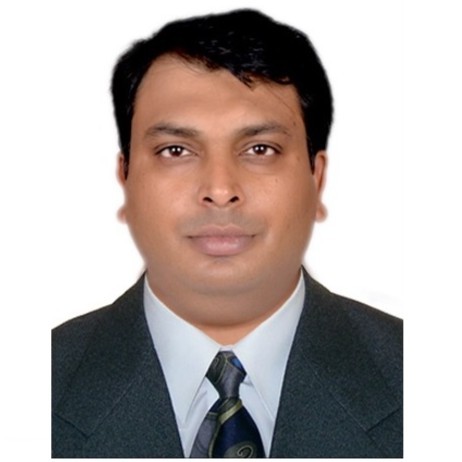
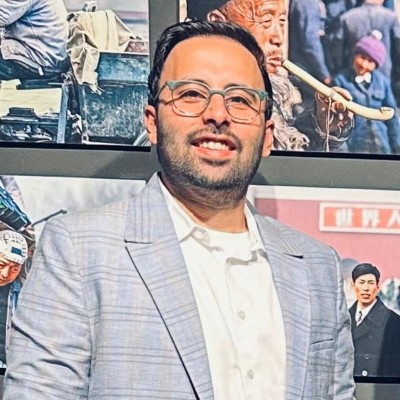
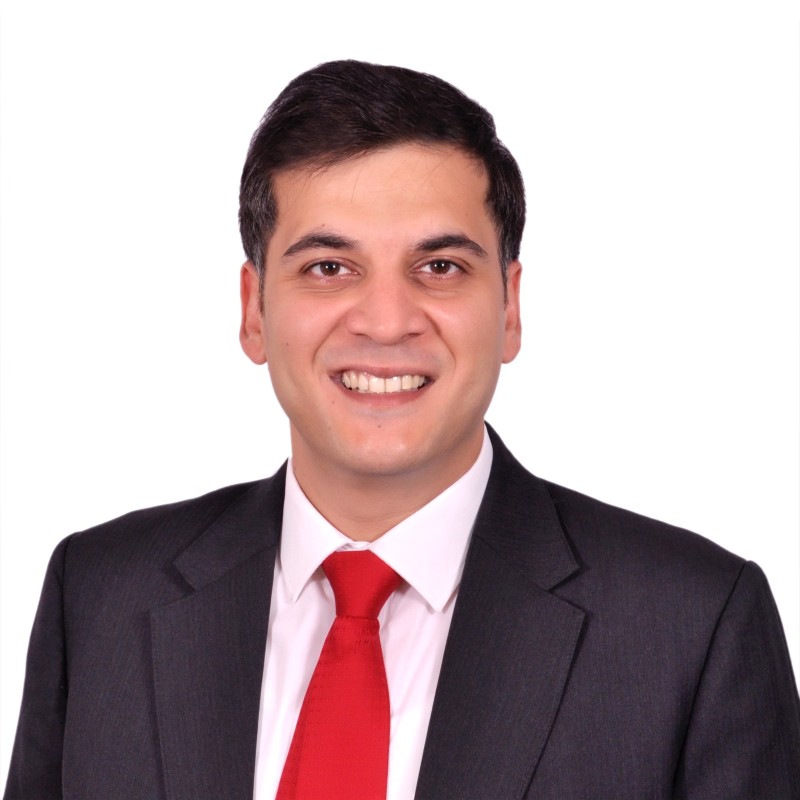
Souvir Kashyup represents a modern financial advisor who blends market intelligence with human insight. As Principal Advisor at Arion Capital, his journey spans banking, insurance, mutual funds, and corporate finance—making him a well-rounded professional in India’s evolving financial ecosystem. What sets him apart is his ability to translate complex market dynamics into simple, actionable strategies while keeping client trust at the center of every decision.
In this episode of The Koffee Conversation Show, Souvir shares a sharp and practical perspective on financial advisory, client relationships, market evolution, AI in finance, and entrepreneurship. His insights highlight a core truth—finance is not just about numbers, it is about people, goals, and long-term trust. His journey reflects how curiosity can evolve into passion, and passion into a purpose-driven career that impacts lives beyond balance sheets.

Souvir’s career journey began with a deep fascination for money management, inspired by observing financial discipline at home. This curiosity led him into financial services, where he built experience across sales, business development, and advisory roles. Over time, he transitioned from a corporate career to entrepreneurship—choosing to build a model driven by transparency, client-first thinking, and long-term wealth creation rather than short-term gains.
A defining aspect of his journey has been his shift in mindset—from product pushing to solution advising. Recognizing that modern clients are informed and selective, he focuses on understanding client needs, identifying gaps, and delivering customized solutions. His journey reflects a powerful evolution: from selling financial products to building relationships and trust-based advisory ecosystems.
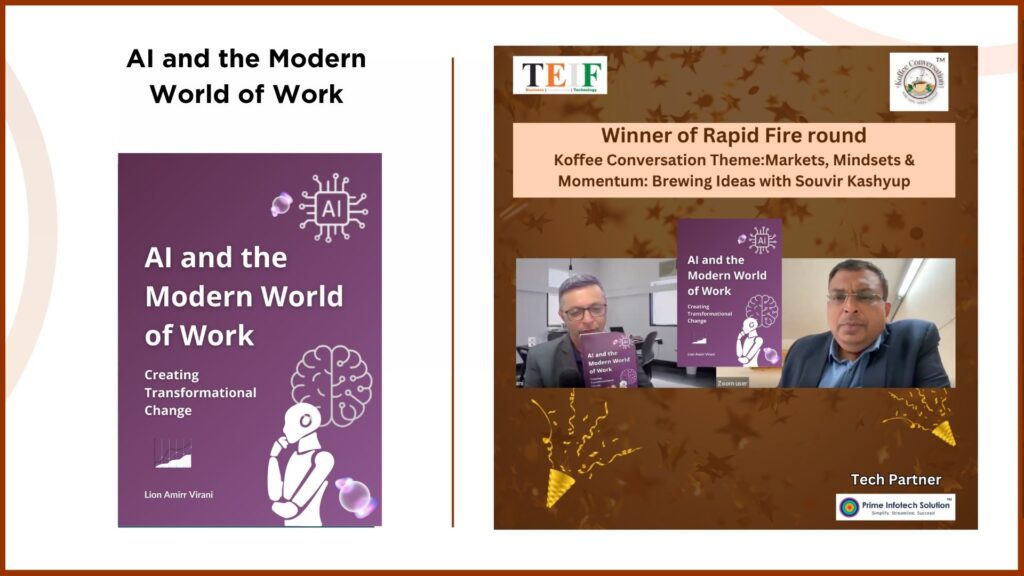
Key Highlights of the Koffee Conversation with Souvir Kashyup
- Trust is the foundation—clients are trusting advisors with their money, dreams, and responsibilities
- Financial advisory has evolved from push-based selling to need-based consulting
- Understanding client goals is more important than recommending products or asset classes
- Every client is different—solutions must be customized, not standardized
- Listening is a critical skill—advisors must understand before they recommend
- Market opportunities are identified by spotting gaps in client needs during conversations
- Continuous learning is essential—markets change with regulations, geopolitics, and global trends
- AI and fintech are powerful tools—but human trust and guidance cannot be replaced
- Clients still rely on advisors during complex situations—human intervention remains critical
- Financial planning must focus on long-term wealth creation, not short-term gains
- Gap analysis helps optimize portfolios—better coverage with reduced costs is possible
- Asset allocation today is more diversified and aligned with tax efficiency and risk management
- Entrepreneurship allows freedom to apply a client-first, transparent approach
- Saying “no” to unsuitable investments builds credibility and long-term trust
- Influences like Rakesh Jhunjhunwala emphasize long-term investing philosophy
- Success in advisory is built over time—credibility compounds with every client interaction
- Young professionals should avoid chasing quick success—this is a long-term game
- Relationship-building is the biggest asset—your network drives sustainable growth
- Discipline, simplicity, and consistency shape both professional and personal success
- Human behavior and psychology play a major role in financial decision-making
▶️ Watch the full episode on YouTube on The Koffee Conversation Show to explore how financial advisory, trust, market evolution, AI, and relationship-building come together to create a sustainable and impactful career in the world of finance.
🎧 Listen to the complete podcast on Spotify: The Koffee Conversation Show to discover Souvir Kashyup’s insights on wealth management, client trust, financial strategy, entrepreneurship, and what it truly takes to build long-term success in a fast-changing financial landscape.





0 Comments