

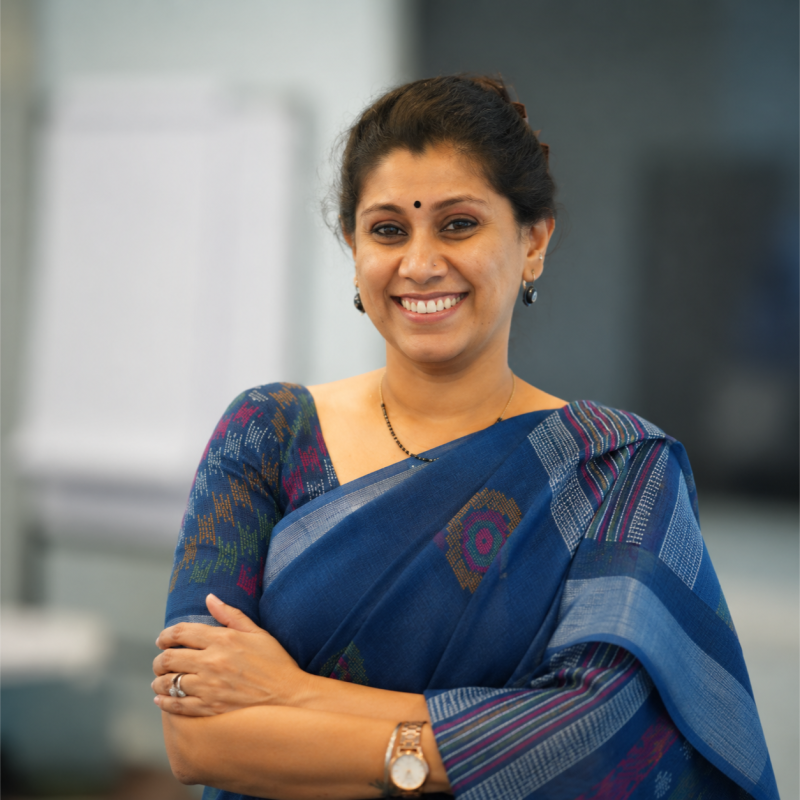
Richa Pinto’s journey is a masterclass in purpose-driven journalism—where headlines are not just stories but voices of people, places, and pressing realities. With over 16 years of experience reporting on urban governance, climate change, and civic issues, she has built credibility rooted in context, consistency, and conscience. As Assistant Editor at The Times of India, Richa stands out for bringing depth to fast-moving news cycles—ensuring that the stories shaping cities are told with accuracy, empathy, and impact.
In this episode of The Koffee Conversation, Richa takes us beyond the headlines into the human side of journalism. She highlights how trust, listening, and responsibility define a reporter’s role in today’s information-driven world. Her perspective is clear—journalism is not just about breaking news, but about building narratives that inform, influence, and empower communities.

Richa’s career journey began in 2010, shaped by years of on-ground reporting across Mumbai. From interacting with citizens to covering civic authorities, her work has been defined by the trust people place in her to be their voice. Each story she has filed is not just content—it is a reflection of real lives and real challenges, making her journey deeply connected to the pulse of the city.
Over time, she evolved into a storyteller who balances speed with substance. Her exposure to global reporting, TEDx speaking, and climate conversations has further sharpened her lens—allowing her to bring international perspectives into local narratives. Today, she continues to shape impactful journalism by combining credibility with clarity, and data with human insight.

Key Highlights of the Koffee Conversation with Richa Pinto
- Journalism begins with listening deeply before reporting effectively
- Trust from citizens is the most valuable asset for a reporter
- Urban governance directly shapes everyday life in cities
- Simplifying complex climate issues without losing meaning is a core challenge
- Headlines are written after the story—not before it
- Empathy guides reporters on what to ask and what to hold back
- Stories must be prioritized based on real-world impact on communities
- Digital and AI are transforming how audiences consume news
- AI can assist journalism but cannot replace originality and human thinking
- Global exposure helps compare and improve local governance models
- Building credibility with sources requires time, consistency, and honesty
- Journalism is evolving from reporting events to explaining deeper context
- Women in journalism are redefining leadership and representation in newsrooms
- Hard work in early years is non-negotiable for long-term success
- Every headline carries a deeper human story behind it
▶️ Watch the full episode on YouTube to explore how journalism rooted in empathy, credibility, and courage continues to shape the stories that define our cities and society.






0 Comments