
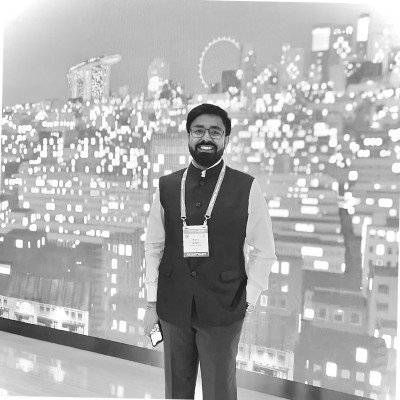
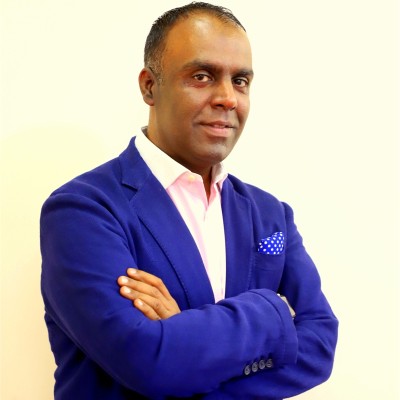
Kinnat Sisodia brings over 15 years of deep expertise across India’s entertainment and media law landscape, shaping how content is created, protected, and distributed in a fast-evolving ecosystem. As Director–Legal at ZEE Entertainment, he stands at the intersection of creativity and compliance, guiding teams through the complexities of IP, production, licensing, acquisitions, and deal-making with precision.
Across roles at Shemaroo, Radio Mirchi, Star India, Nykaa, K Law, and now ZEE, he has lived every major shift in Indian media—from radio to TV to film to streaming—and mastered how law adapts to each wave of innovation. His ability to balance business vision with creator rights makes him one of the sharpest legal minds behind India’s most loved content.

Kinnat’s journey started during India’s economic meltdown in 2008, yet he broke in with sheer curiosity and resilience—first in corporate law, then quickly stepping into the world of media at Shemaroo. From content acquisition and production to events, sports, radio, and films, he has completed a rare 360-degree journey of the entertainment ecosystem. His career evolved right alongside media technology—from physical film prints to streaming apps, from FM radio to Android Auto, and now AI-led disruption.
From shaping the Copyright Act amendments to advising on high-stakes collaborations, piracy battles, statutory licensing, cross-border deals, and emerging AI challenges, he has been at the frontline of every major shift. Today, he leads with a new-age leadership philosophy—trusting his team, enabling independent thinking, and seeing himself as the guide who’s always ready to listen, simplify, and decode complexity.
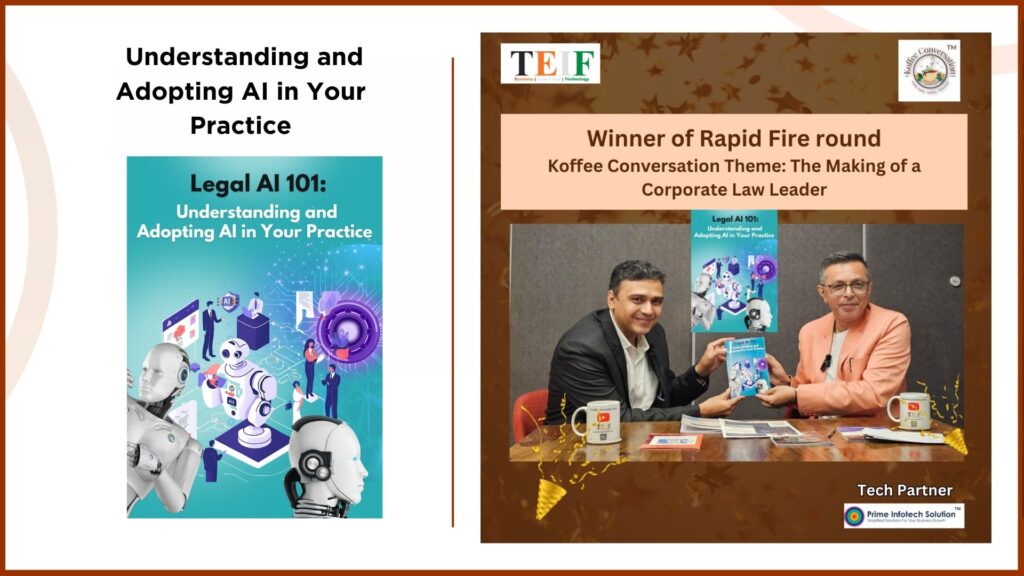
Key Highlights of the Koffee Conversation with Kinaat Sisodia:
- Media law keeps him engaged because every technological shift reshapes how content is created and protected.
- Content development begins from title clearance to script to shoot—each stage full of hidden complexities.
- Balancing IP protection and creative freedom requires empathy toward both creators and corporations.
- Tight deadlines aren’t unique to entertainment; all legal sectors operate under extreme pressure.
- Digitization transformed media—from radio frequencies to global streaming ecosystems.
- AI is amplifying piracy risks with deepfakes, synthetic voices, and hard-to-trace content leaks.
- India doesn’t need new laws for AI misuse—current frameworks already cover most scenarios.
- Top underestimated risks: unpredictable audience trends, AI disruptions, and rising sophistication in piracy.
- He contributed to shaping India’s 2012 Copyright Amendment Act and statutory licensing reforms.
- Cross-border deals require cutting down heavy legalese and adopting globally simplified drafting.
- Korean, Arabic, Turkish, and Japanese legal/OTT content are reshaping what Indian viewers expect.
- His parenting style reflects the new generation’s curiosity—kids challenge him with questions he must research.
- Young lawyers must focus on strong fundamentals—not glamour—because media law is more grind than glitter.
- Bombay has become his first home—its pace matches his energy and keeps him inspired.
- He describes himself as “a curious person figuring out what’s next.”
Watch the full episode on YouTube and dive deeper into the untold world of India’s entertainment law—unfiltered, insightful, and absolutely unmissable.






0 Comments