

Joseph “Matrix” George represents a dynamic and unconventional leader in the world of dispute resolution—where law meets psychology, negotiation, and human understanding. As Co-Founder of George & George ADR Group, he has built a global presence as an international arbitrator, mediator, hostage negotiator, and keynote speaker. What makes his journey truly stand out is his ability to blend structured legal processes with emotional intelligence—transforming conflict into resolution with clarity and compassion.
In this episode of The Koffee Conversation Show, Joseph shares a powerful and experience-driven perspective on arbitration, mediation, negotiation, leadership, and human behavior. His insights go beyond legal frameworks—into the psychology of conflict, the importance of communication, and the art of balancing emotions with logic. His journey reflects a core belief: disputes are not just legal problems—they are human situations that require empathy, patience, and strategy.
Joseph’s career journey began in construction, working alongside his father—an experience that unexpectedly shaped his foundation in conflict resolution. Exposure to real-world disputes in construction environments taught him patience, negotiation, and problem-solving early on. Over time, he transitioned into alternative dispute resolution (ADR), expanding his expertise across mediation, arbitration, and international conflict management. His evolution reflects how early life experiences can shape powerful professional capabilities.
A defining aspect of his journey has been his global exposure—handling disputes across regions like Dubai, China, Japan, and beyond. His work highlights one of the biggest realities in international arbitration: cultural differences. By leveraging communication, empathy, and even AI-powered translation tools, he navigates complex cross-border disputes with precision. His journey reflects a modern dispute resolver—one who is not just legally sound, but culturally aware and emotionally intelligent.
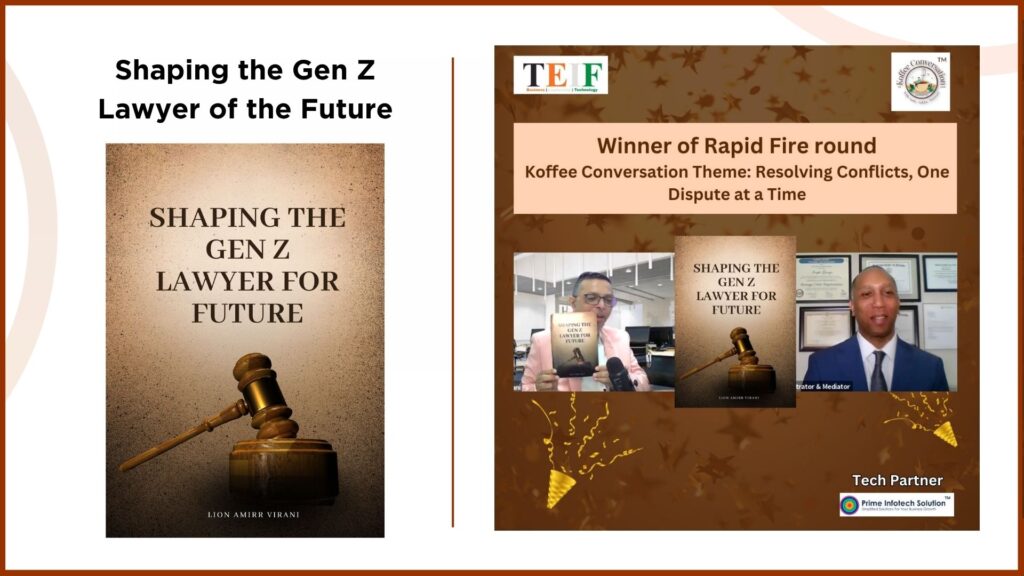
Key Highlights of the Koffee Conversation with Joseph “Matrix” George
- Arbitration is more structured and lengthy, while mediation is faster, private, and communication-driven
- Effective dispute resolution depends on empathy and clear communication
- Balancing power dynamics (“David vs Goliath”) requires strategic intervention and private conversations
- Emotionally charged disputes can often be resolved by removing ego and focusing on business logic
- A simple apology can significantly de-escalate conflicts and rebuild trust
- Cultural differences are one of the biggest challenges in international dispute resolution
- AI tools are helping bridge communication gaps through real-time translation and global collaboration
- Preparation is key—reviewing evidence and maintaining a neutral mindset ensures fair outcomes
- “Buddha moment” approach—staying calm, centered, and unbiased—is critical in mediation
- Confidentiality is a major reason celebrities prefer ADR over traditional litigation
- Negotiation success comes when both parties feel they have gained something
- Active listening is one of the most powerful skills in conflict resolution and hostage negotiation
- Leadership and mentorship are essential for growth in the ADR field
- Young professionals must stay hungry, avoid complacency, and ignore naysayers
- Learning legal terminology and observing real court proceedings can accelerate professional growth
- Networking (even through activities like golf) plays a crucial role in career development
- Personal experiences—like working in tech or beauty industry—can create unique specialization niches
- Integrity and loyalty are the strongest foundations for long-term professional legacy
- Dispute resolution is not just a profession—it is about creating understanding and restoring relationships
▶️ Watch the full episode on YouTube on The Koffee Conversation Show to explore how arbitration, mediation, negotiation, emotional intelligence, and global perspectives come together to resolve conflicts and build meaningful outcomes.







0 Comments