
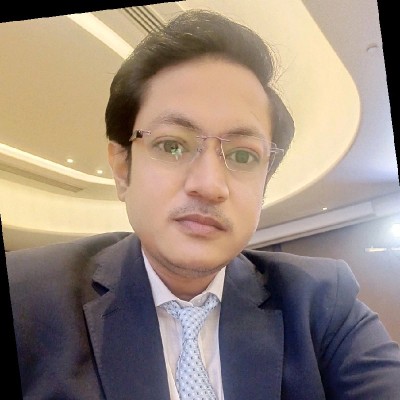
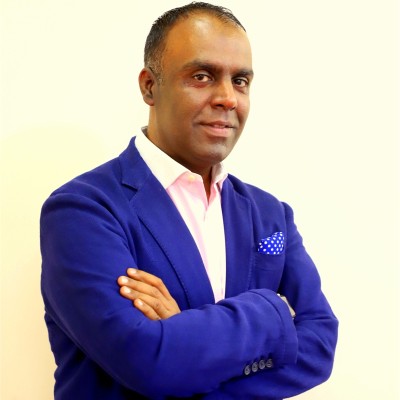
Dr. Shuvankar Ballav is a dynamic biotechnology scientist turned global regulatory affairs leader, currently driving advanced biosimilar submissions at IPCA Laboratories, Mumbai. With a PhD in microbial biodiversity and hands-on experience across leading companies such as Bioon Biologics, Lupin, and CureTech, he has shaped global regulatory strategies for markets including the US FDA, EMA, Health Canada, and beyond.
His journey reflects curiosity, discipline, and a deep passion for patient access. From studying antibiotic-producing marine microbes in Goa to overseeing high-stakes global submissions, Dr. Ballav blends scientific rigor with strategic clarity. Known for his humility and leadership, he mentors teams with empathy and energy, seeing regulatory affairs as a “science of rules” where precision meets purpose.

Dr. Ballav’s path—from a small town in West Bengal to becoming a respected regulatory strategist—is a story of discipline, grit, and continuous learning. Growing up in a traditional and value-driven family, he imbibed honesty, humility, and discipline early on. His scientific path began with biotechnology, then a PhD in marine microbial diversity, and later a post-doctoral stint in infection biology.
His transition from researcher to regulatory professional stemmed from a desire to drive real-world impact. Over the years, he navigated high-pressure submissions, built regulatory strategies for global agencies, and developed solutions to complex scientific challenges. Today, he stands as a leader who bridges science, policy, and patient access—while staying grounded through family, music, and gardening.
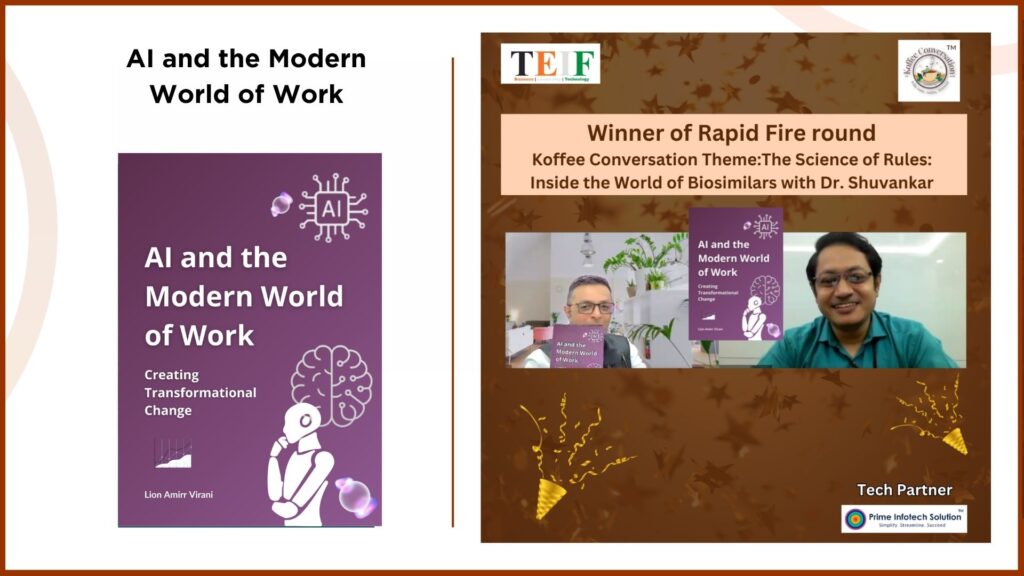
Key Highlights of Koffee Conversation with Dr. Shuvankar Ballav
• He shared how his journey evolved from studying marine microbes to leading global biosimilar submissions, driven by curiosity and a desire to work at the intersection of science and strategy.
• He explained India’s exponential rise in the global biosimilars market, highlighting affordability, accessibility, and innovation as major catalysts.
• He broke down the concept of biosimilars in simple language—biological medicines that offer safe, affordable alternatives without compromising quality.
• He clarified the difference between generics and biosimilars, explaining why biological systems cannot produce exact copies, only high-quality “similar” versions.
• He revealed how biosimilars are transforming oncology treatments by reducing cost burdens for families while ensuring therapeutic efficacy.
• He discussed what excites him about regulatory affairs—the responsibility of representing an entire company’s scientific data to global agencies.
• He shared how high-stakes regulatory submissions demand strategy, foresight, and dialogue with agencies to avoid break points.
• He compared regulatory cultures across Bioon, Lupin, CureTech, and IPCA—highlighting maturity, ecosystem readiness, and the thrill of building systems from scratch.
• He narrated a challenging regulatory query involving the development of a new diluent mid-way through submission—a problem his team solved successfully, leading to an interchangeable product.
• He discussed his leadership style, emphasising psychological safety, shared ownership, and being present with his team during high-pressure work.
• He outlined skills required for aspiring regulatory professionals—vigilance, critical thinking, scientific writing, speed, patience, and the willingness to evolve with changing guidelines.
• He reflected on his PhD journey in Goa, exploring antibiotic-producing marine microbes and enjoying the thrill of scientific discovery.
• He explained how AI is becoming a powerful assistant in regulatory affairs—accelerating data processing while still relying on human judgment.
• He described regulatory affairs in one powerful line: “It is the science of rules — we are the company’s lawyers presenting its case to global agencies.”
• He shared personal stories about his upbringing, family value system, and the discipline that shaped his career.
• He opened up about unwinding with music, gardening, and quality time with family to balance the intensity of his work.
• He spoke about traditions, memories, and cities that have shaped him—while revealing that Mumbai now feels most like home.
• His rapid-fire round revealed his love for Bengali-style chowmein, green and blue colors, reading science journals, and the best advice he ever received: “Don’t be afraid to make mistakes—at most, you’ll get scolded. Learn fast and move forward.”
You’re at the end — so you’re definitely curious about this conversation with Dr. Shuvankar Ballav. Watch the full Koffee Conversation episode here:

0 Comments